English
  Malay
Malay 
The month of Ramadan is a blessed time for Muslims around the world. During this month, Muslims are required to fast from dawn until sunset. Fasting is not just about abstaining from food and drink but also about controlling one’s desires and increasing acts of worship and good deeds.
The Virtues of Ramadan
Ramadan is known as a special month because it includes Laylatul Qadr, the Night of Decree, which is better than a thousand months. Additionally, it is the month in which the Quran was revealed as guidance for humanity. Muslims are encouraged to increase their acts of worship, such as reciting the Quran, giving charity, and performing Taraweeh prayers.
The Wisdom of Fasting
Fasting brings numerous benefits, whether spiritual, physical, or social. Spiritually, fasting teaches patience, sincerity, and devotion to Allah. From a health perspective, fasting helps detoxify the body and improve digestion. Socially, it fosters empathy for the less fortunate and encourages generosity through charity and donations.
Recommended Acts During Ramadan
To maximize the rewards of Ramadan, Muslims are encouraged to perform several Sunnah (recommended) acts, such as:
- Eating Suhoor (pre-dawn meal) before Fajr
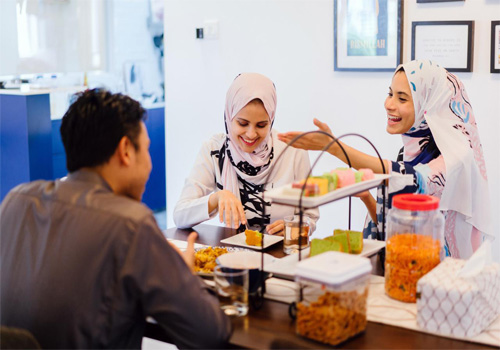
- Breaking the fast promptly at Maghrib
- Increasing supplications, seeking forgiveness, and reciting the Quran
- Guarding one’s speech and actions to preserve the rewards of fasting
Conclusion
Fasting in Ramadan is not just about avoiding food and drink but also a spiritual exercise to increase taqwa (piety) towards Allah. By observing this act of worship with sincerity, Muslims can attain multiplied rewards and become better individuals.