English
  Malay
Malay 
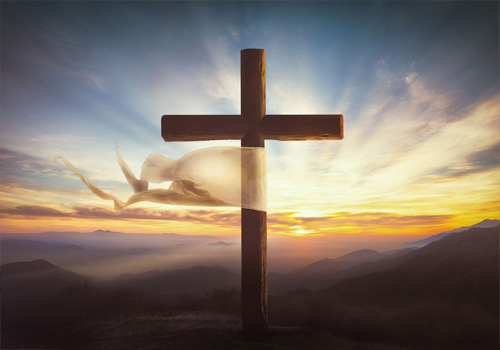
Good Friday is one of the most significant observances in the Christian liturgical calendar. It is commemorated on the Friday before Easter Sunday, marking the crucifixion and death of Jesus Christ on the cross. This solemn day is filled with reflection, mourning, and deep spiritual meaning centered on love and forgiveness.
The Meaning and Symbolism
Good Friday is not only a remembrance of Christ’s death, but a profound reflection on the ultimate sacrifice in Christian faith. Christians believe that Jesus, who was sinless, willingly endured suffering and death to redeem humanity from sin. This act represents God’s boundless love and stands at the core of Christian belief.
How It Is Observed
Good Friday is marked with a special service known as the Good Friday Liturgy or the Liturgy of the Passion of the Lord. Unlike regular days, there is no Mass on Good Friday. Instead, worshippers gather in silence and reverence for Scripture readings, especially the Passion narrative from the Gospel of John, universal prayers, and veneration of the cross.
Many churches also conduct the Stations of the Cross, a symbolic journey through 14 stations reflecting Jesus’ path to Calvary. This devotional act invites believers to contemplate Christ’s suffering and emulate His patience and obedience.
Atmosphere and Reflection
Unlike joyful celebrations such as Christmas or Easter, Good Friday brings a somber and contemplative atmosphere. Church decorations are minimal, candles are extinguished, and the liturgical colors are red or black to signify sorrow and the shedding of blood.
Yet, within this sorrow lies hope. Christians believe that Jesus’ death is not the end, but the prelude to victory over death – celebrated gloriously on Easter Sunday, the day of resurrection.
Conclusion
Good Friday calls believers to remember sacrifice, embrace love, and extend forgiveness. It is a sacred time for self-reflection, spiritual renewal, and a deeper connection with God, rooted in the example of Jesus’ enduring love.